
SUMMARY
This project outlines the journey of designing an end-to-end service experience for Atlanta Symphony Orchestra (ASO) to gather valuable community audience feedback in an integrated, low-cost and non-intrusive manner. We introduced a streamlined process, various digital touch-points as well as their non-digital alternatives aligned to integrate well with ASO’s current infrastructure.
Background
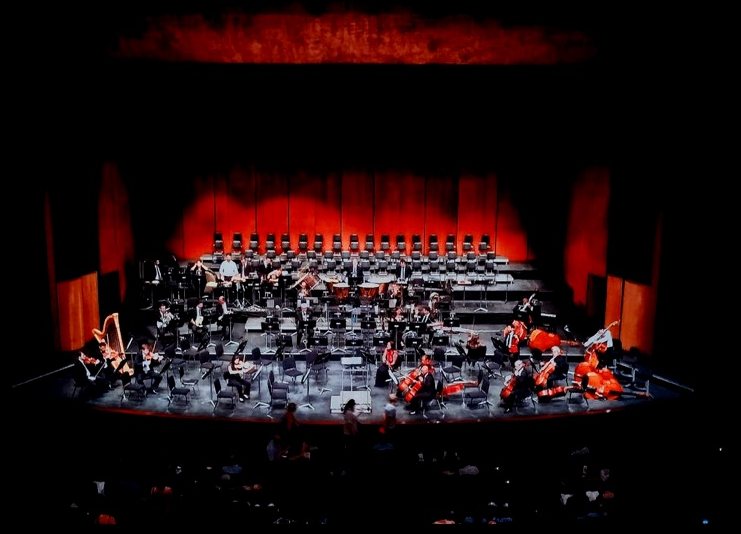
ASO is a nationally acclaimed, award winning orchestra committed to building foundations of artistic integrity. One of the ways they work towards this is through their non-profit Musicians in Community (MIC) program that exposes underserved and underrepresented groups to classical music through free concerts, lecture demonstrations and workshops.



My contributions
Team members
Swar Gujrania
Tae Prasongpongchai
Gurudutt Perichetla
Service Designer, UX Designer
User research
• Problem definition & scoping
• Needs, constraints, value mapping
• Interaction Design• User journey mapping• Introduced credit rewards systems
• Designed & led stakeholder
need finding workshop• Analyzed the audience survey• Conducted stakeholder
interviews
PROBLEM



MIC representatives are currently looking to gather audience’s feedback for their free, community concerts.
Manual efforts
Lack of a consistent process
Resource constraints
MIC representatives currently do
not have a consistent process to
gather audience feedback
Sometimes, after the concert,
organizers talk to some audience
members to learn about theirexperience; other times theyleverage a short in-person survey
for the same.
Being the non-profit arm of ASO,
MIC team often works under tight
constraints on their resources
(monetary, technology and
people)




Impact
Audience dissatisfaction,
Loss of patrons
Inability to demonstrate
effectiveness of programs
Loss of donors and
financial implications
Lack of feedback mechanism leads
to gap between what audience
expects and what ASO delivers,
which further leads to audience
dissatisfaction and loss of patrons
MIC depends on sponsorship and
donations to drive the community
engagements. The lack of numbers
bleeds into these donations and
thus can have serious financial
implications for the team.
MIC team is unable to show
“numbers” that demonstrate its
effectiveness towards its goals of
widening ASO’s reach to
underserved communities of Atlanta


To summarize the problem statement:
ASO gather valuable feedback from the participants of the MIC program in a low-
cost, integrated manner without being intrusive to audience’s experience
How might…
so that they can…
demonstrate their effectiveness in generating community
engagement and identify opportunities to further it.
USERS & STAKEHOLDERS
















Stakeholder mapping
Secondary stakeholders
Primary Users
Primary stakeholders
• ASO• MIC team• Donors
Performers
Audience
Experience
Experience
• Low-cost
• Integrated
Non-intrusive
Primary Task
Primary Task
• Provide feedback
• Engage better
Gather valuable
feedback
Value
• Demonstrateeffectiveness of MIC
initiatives• Get community “voice”• Quantifiable performance









Primary Users
Audience members
30-50 yo
60+ yo
15-25 yo
Melissa
Josh
Kalyn
43, Accounting
64, Retired
21, Student
“I saw this event on Facebook
and it seems like a good way to
spend time with my family this
weekend. I go to classical
concerts a few times a year.”
“I go to classical music concerts
every few months with my wife. I
get concert news directly from
ASO and call them to get the
tickets. I expect a good,
well-organized show from
reputable performers.”
“I came to the concert because
my friend invited me to, and it’s
free so we got the tickets online.
I’m alright with classical music; I
only come to see these
performances every year or so.”
• Mainly women• Attended few times a year• Heard about the concerts fromother people.
• Mostly attended concerts with
their family.• Mostly bought their ticketsonline
• Mostly retired individuals• High interest in classical music• Frequent concert attendees
• Performers’ reputation played an
important role
• Less tech-savvy and mostly buys
tickets in-person or on phone.
• Mainly students
• Conscious of cost
• Concerts are leisurely activity
• Not concerned by performers’
reputation
• Mostly booked tickets online
• Always on the lookout for free
concerts



Meet Troy, an audience member
(Persona)
Troy Williams (Audience Member)
Demographics
Gender: Male
Age: 24
Job Title: Student
Goals
• Visiting music concerts
• Taking pictures
• Buying Merchandise
Motivations to attend concerts
• Finding new musicians
• Gathering with Family and Friends
• Take mind off things
• Recreation
Pain Points
• Not being able to find parking
• Unavailability of Food
• Long queues and huge wait times











Primary Stakeholders
MIC team (ASO)
Donors
Alison Chen (ASO Representative)
Trent Baylor (Donor)
Demographics
Demographics
Gender: Female
Age: 32
Job Title: Development Manager
Gender: Male
Age: 39
Job Title: Investment Banker
Goals
Goals
• Provide impactful concerts for audiences
• Gather audience feedback
• Get funding
• Organize Social Campaigns
• Fund projects that support my cause
• Communicate with the ASO to facilitate the grant process
Motivations to organize concerts
Motivations to organize concerts
• Enrich community experiences
• Introduce audiences to Classical Music
• Improve Future Concerts
• Enrich community experiences
• Make a difference for people of my community
• Improve Future Concerts
Pain Points
Gain Points
• Slow process of feedback data collection
• Communication between siloed departments within the ASO
• My organization gets exposure through ASO events
• My money is used effectively to support my cause

























Ecosystem Map (High-level)
I want to improve the
program & get more
funding
I want deeper feedback
& more data but we’re
short-staffed.
I want to support a
cause I care about.
Feedback, impact
information, future
customers
Access to
classical music
Donors
MIC team (ASO)
I want to see a good
show & have a good
time.
I want to make sure my
money is put to good
use.
Audience
I want to introduce
classical music to
underserved
communities
Traditional surveys
require too much from
me and I don’t usually
really care about it.
I want to get feedback
about the show and
make sure that
collaborating w/ ASO
was worthwhile
I have to wait in line
for some time before
getting inside the hall.
Performers



Current User Journey
The current journey of going to a concert is below. To identify opportunities of intervention, we broke the journey down into 3
main sections
Current Journey, broken down into stages




Learning
about the
event
Arrive,
Check-in
Show
continues
Preparing to
come
Receive
program
notes
Show starts
Get into hall,
pick seat
End show
After show
Intermission
During concert
After concert
Before concert
PROCESS OVERVIEW


Design goals
Based on our research and analysis, we identified the following goals for our end solution. As we navigated through various
iterations, these metrics/goals served as the north star for the team.
1
2
3
4
5
6
Accessibility
Ensuring data
quality
Higher response
rate from
audience
Increase
audience
satisfaction
Technical
Feasibility
Ease of data
processing


Process Overview
This is an overview of the double-diamond process we took:
Develop
Define
Deliver
Discover
Problem
definition
Design &
prototype
Research
Opportunity
activation
Test
InterviewsSurveysStakeholderworkshops
Empathy Maps
Persona
User Journey (current)
Ecosystem mapping
Needs-Constraints-Value
10 types of innovation
Business Model Canvas
Experience metrics
Process alternatives
User Journey (Future)
Touchpoint mapping
Storyboarding
Low, High-fi prototypes
Service Blueprint
Branding & Visual Design
Remote Usability
Testing
Stakeholder
Walkthrough
DESIGN EXPLORATIONS





The team designed a service experience to help ASO gather feedback for its community concerts effectively. This experience was:
Accessible
Low cost
Well-Integrated
End-to-End
Design Themes


Providing
Multiple small
Quantifiable
1
2
3
Analyzing the current journey, along with insights from
research led us to develop main themes that’ll be
crucial to designing the intervention journey.
Incentives
surveys instead of
one big survey
nature of data/
insights
Engaging ways of
collecting
information
Providing ways for
4
5
ASO to follow-up
for deeper
conversations









Ideation - 3 alternative journeys
Analyzing the current journey, along with insights from research led us to develop main themes that’ll be crucial to designing the
intervention journey.
1
2
3
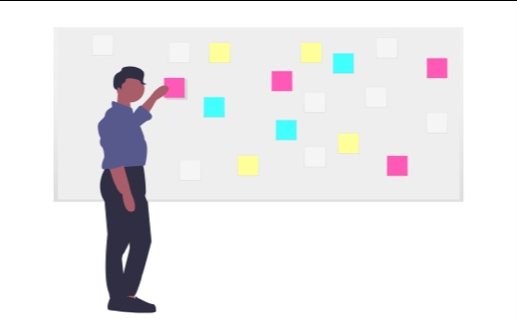
Physical voting +
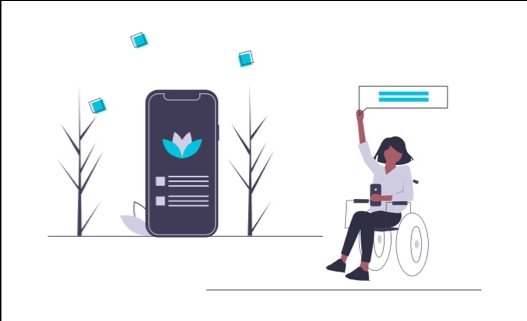
Sticky feedback board
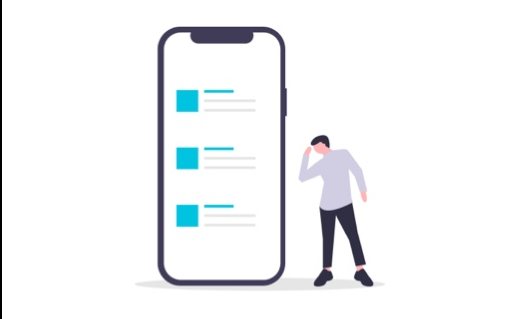
QR Code +
In-App Survey
Live voting +
Visualization session
Within the concert, people
digitally vote and their
feedback is visualized live foreveryone to see.
Audience puts token “votes”
in physical voting boxes and
posts their feedback using
colorful stickies on a giant
board. ASO members collect
and analyze them later
Audience uses QR code to fill
out a brief survey. ASO
provides incentive through
redeemable credits.


Stakeholder’s feedback
Minimal effort, very effective.
It might need a back-up for
audience members who are
not technologically savvy.
A lot of resources and manual
effort required. ASO’s MIC
team is not very well staffed.
Appealing to stakeholders,
but may not be technically
feasible. Also, concerned
about the kind of responses
people may provide in a live
session.







Final Concept
Based on stakeholders’ feedback, our final concept had following features:
Providing incentives
Digital touchpoints
Multiple small
Leveraged QR code +
Digital Survey, but
Surveys were
through ASO Credits
surveys instead of
one big survey
integrated with ASO’s
ticketing platform
integrated with
user journey
introducing paper
that can be redeemed
at ASO
surveys too for the
older population

Here is the final concept as user journey:
During
Concert
Intermission
After
Concert
Incentives
Reservation
Check-in
ASO to reach
out post survey
Collect basicdemographicinformation along
with reservationprocess
Reminder for survey
and incentives
Collect information
on attendance
frequency, outreach
Users leverage
ASO credits for
future
interactions
Provide details for livefeedback, QR code, postconcert survey and
incentives in program
notes
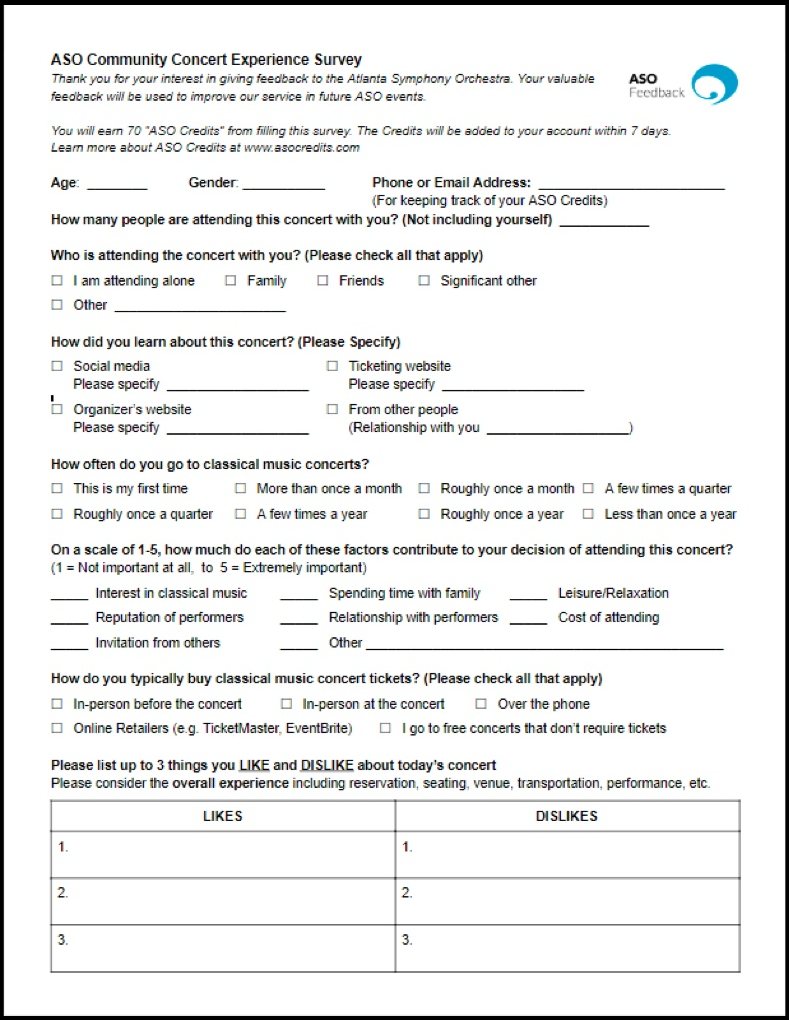
Users scan the QR codeto fill a survey digitally.Alternative paper
surveys made available
for others
Post-concertin-depth phone interviewwith those who
volunteered
Text message as
reference for how many
credits they received








Touchpoint overview
1
2
3
4
5
AUDIENCE EXPERIENCE DESIGN










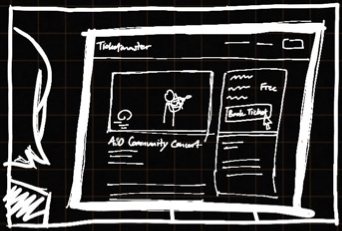
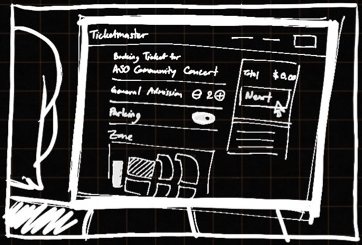
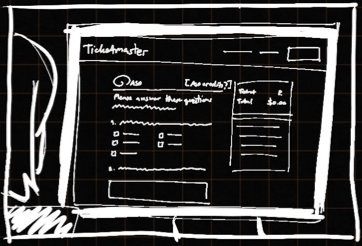
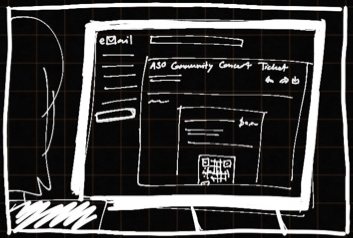
User Scenarios - Audience
Scenario 1: Reserving Tickets online
Kalyn is a regular ASO concert attendee. She is always on the lookout for events and because she always wants to ensure her place,
she would make a reservation, even when tickets are free.
Receive ticket in the
email
Fill out the ticket
details (no. of tickets,
session, zone, etc.)
Fill-out pre-concert
demographic details
like age, gender,
location, etc.
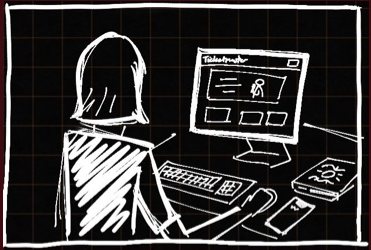
Go to online ticket
retail site, look at
concert details
decide to book
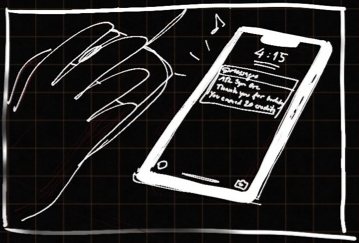
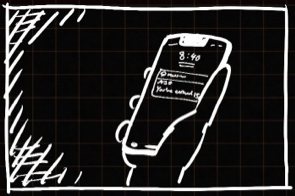
Receive ASO Credits
notification through
email / SMS







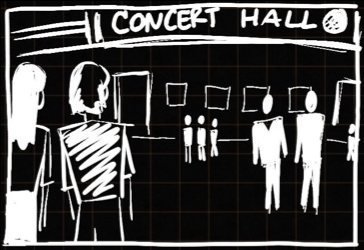
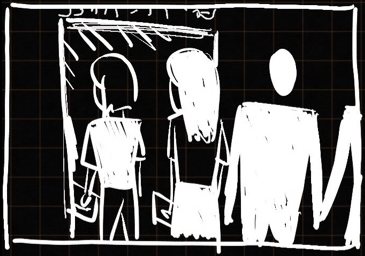
Kalyn arrives at the
concert hall & checks-in
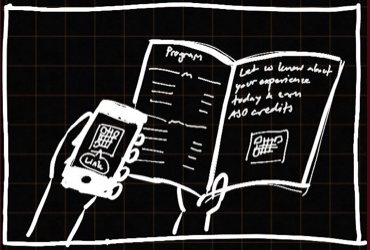
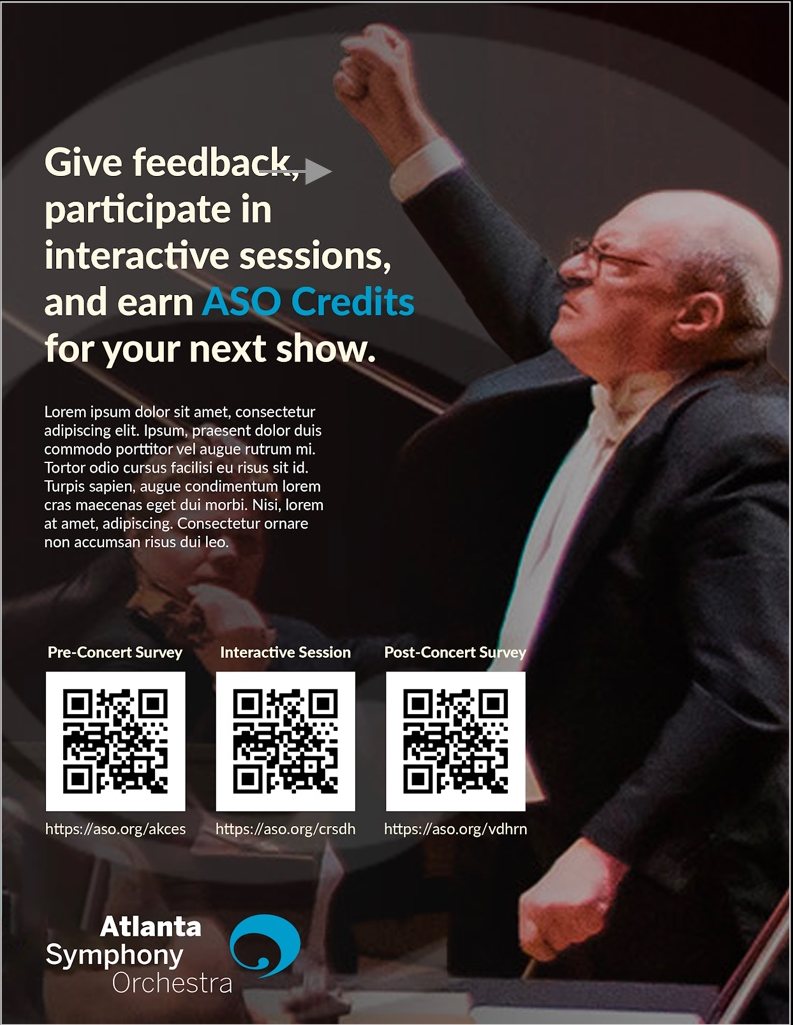
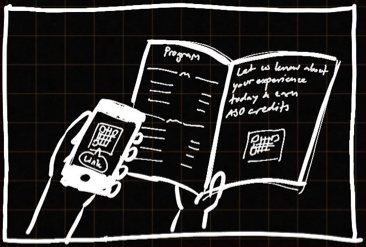
She receives program
notes & information
about ASO credits
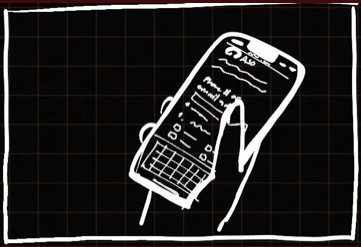
Kalyn scans the QR
code, gets to the
survey, and fills it out
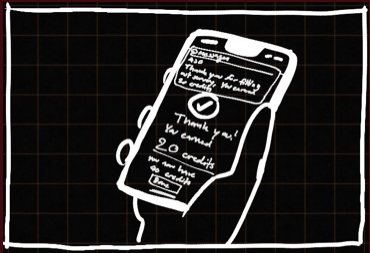
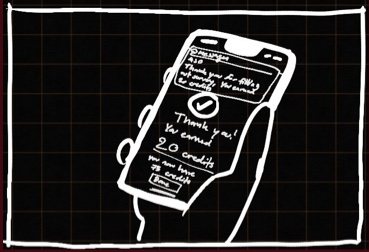
Once submitted, she
receives the ASO credits









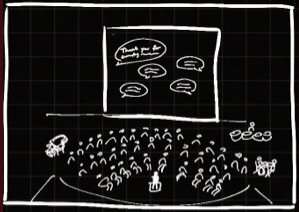
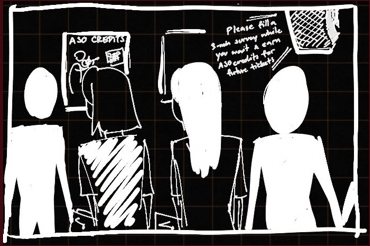
All responses are
displayed; host talks
through them
Patrons fill feedback
inputs and answers
other questions
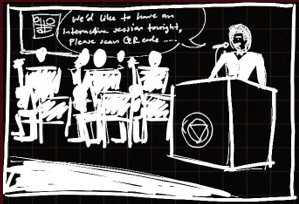
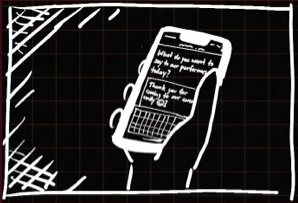
Host introduces
feedback session and
show the QR code
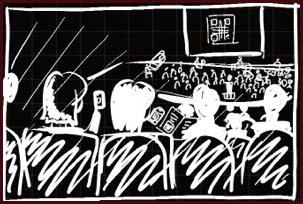
Patrons scan the code
& enters interactive
experience
Patrons receive the
ASO credits on their
phones








Alternative Paper Survey
She scans the QR
code again
Kalyn leaves
concert hall
Kalyn fills out
the survey
Kalyn receives
credit for completing
the survey









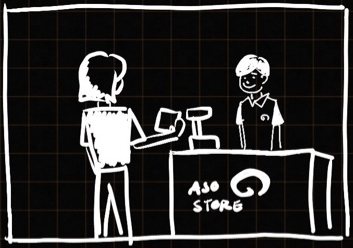
She goes to the
ASO store
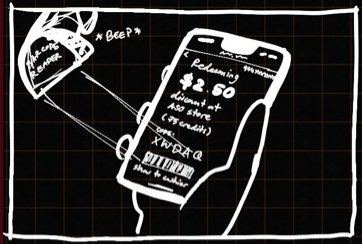
She redeems the
credits to buy her
favorite items
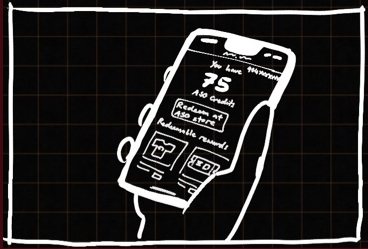
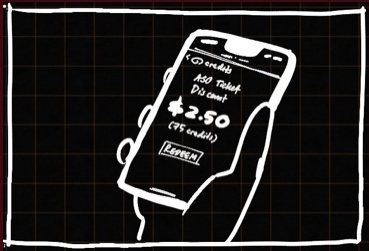
Kalyn checks her
ASO credit profile
to see her credits
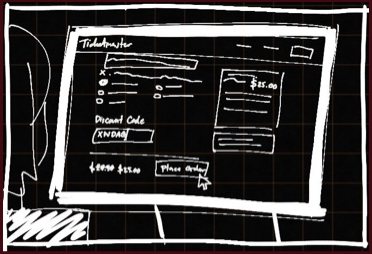
Kalyn applies credit
when booking her
next ticket
Kalyn receives a
discount on her next
booking
She decides to
redeem her credits
for the next concert
STAKEHOLDER EXPERIENCE DESIGN
VISUAL LANGUAGE




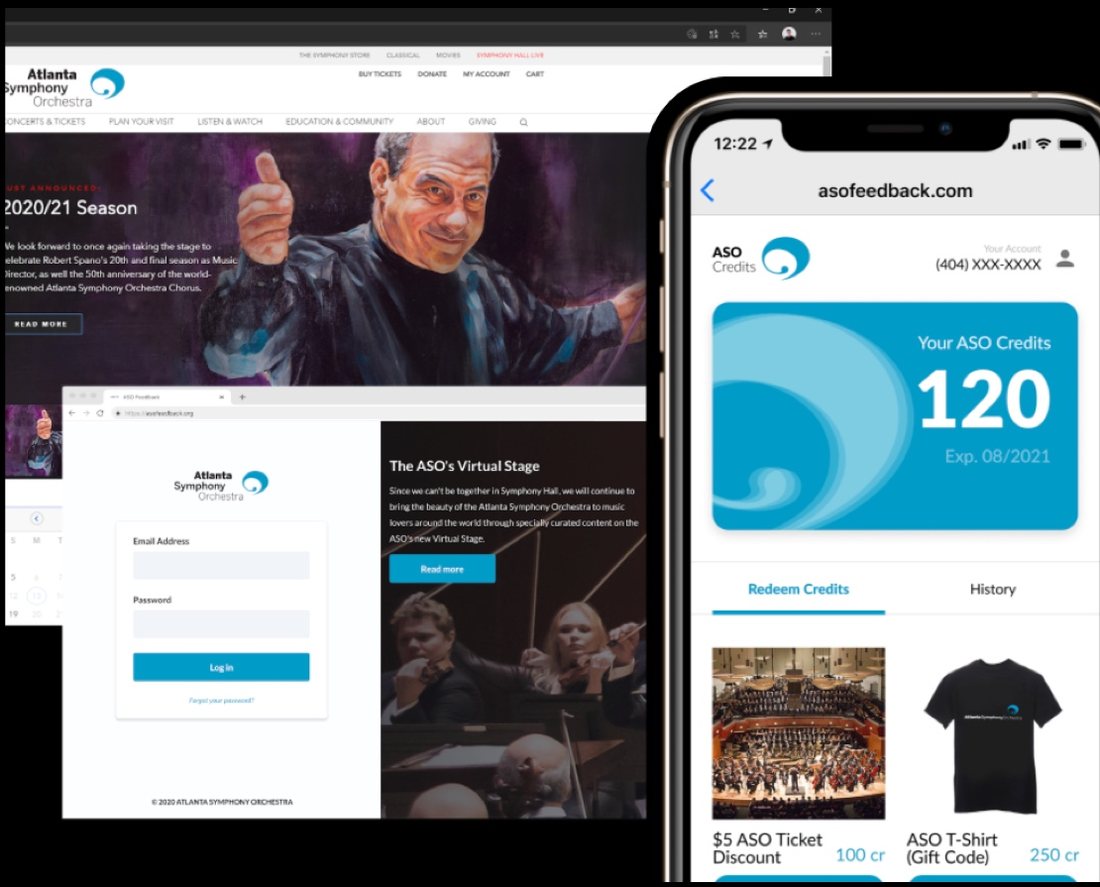
The visual design of the audience-side touchpoints is based on ASO’s current visual language.
Typography
Aa
Aa
Aa
Aa
Aa
Aa
Aa
BLACK
BOLD
LIGHT
REGULAR
HAIRLINE
The quick brown fox jumps over the lazy dog
0 1 2 3 4 5 6 7 8 9
Colors palette
EVALUATION

Remote Usability Testing
The audience mobile experience was tested through remote usability testing sessions to gather feedback and
evaluate the design idea.
Participants
Tasks
We covered five touchpoint scenarios
throughout a concert experience including:• Booking a ticket• Answering a pre-concert survey• Participating in a live interactive session• Answering a post-concert survey• Redeeming ASO Credits
6 Participants
4 Males, 2 Females
4 in their 20s, 1 in their 30s, 1 in their 60sExperienced with classical music concert. Onehad given feedback to a concert before.


What worked
Improvements
• Some thought the tech-powered in-concert
session was too disruptive for a classical music
concert that feels “analog” to some.• Some aspects can be more streamlined e.g. pre-filling/saving phone number.• Possible survey fatigue.
• A higher response rate can be expectedcompared to traditional feedback process.• The incentives to answer surveys with the
ASO Credits system.
• The design was very easy and
straightforward, it requires very low effort.• In-the-moment pre-concert survey helps fillthe idle waiting gap before the concert• Using a phone to answer the survey is moreconvenient than filling out a paper survey.• No app download required, no accountcreation required.
• The post-concert survey might get the least
response: people will be in a hurry to leave the
hall and go back.• The actual value of the ASO credits should beclear for users to decide whether to take the timeto fill the survey.• Buying more ASO Credits should be an option.



Remote Stakeholder Feedback
We showed our designs to the ASO representative, the community programs manager, to gather feedback from the stakeholder’s
side. The stakeholders seemed to be extremely enthusiastic about the outcome of this project. They expressed their excitement
about:
how the ASO Credits incentivizes the system• how ASO back-end system seems to be tightly integrated.
• In-concert interactive sessions allows the patrons to connect
with ASO at a deeper level.
“Wow! this is
awesome!”
“[The back-end system] is verysimilar to the survey platform we’re
using so our colleagues will be able
to do this. ”
“The patron experience part is my
favorite. It really allows them to
connect with us beyond the concert,
and beyond just an institution.”
“This is way better than our
existing system because it
also has this credits system
integrated.”